How Technology is Transforming Property Valuation
The commercial property valuation industry is experiencing a technological revolution that's transforming how RICS chartered surveyors work. Over the past decade, Commercial Valuation Surveyor professionals have embraced innovative tools including drones, artificial intelligence, and advanced data analytics that enhance accuracy, efficiency, and client service while maintaining rigorous RICS professional standards.
Drone Technology Revolutionizing Site Inspections
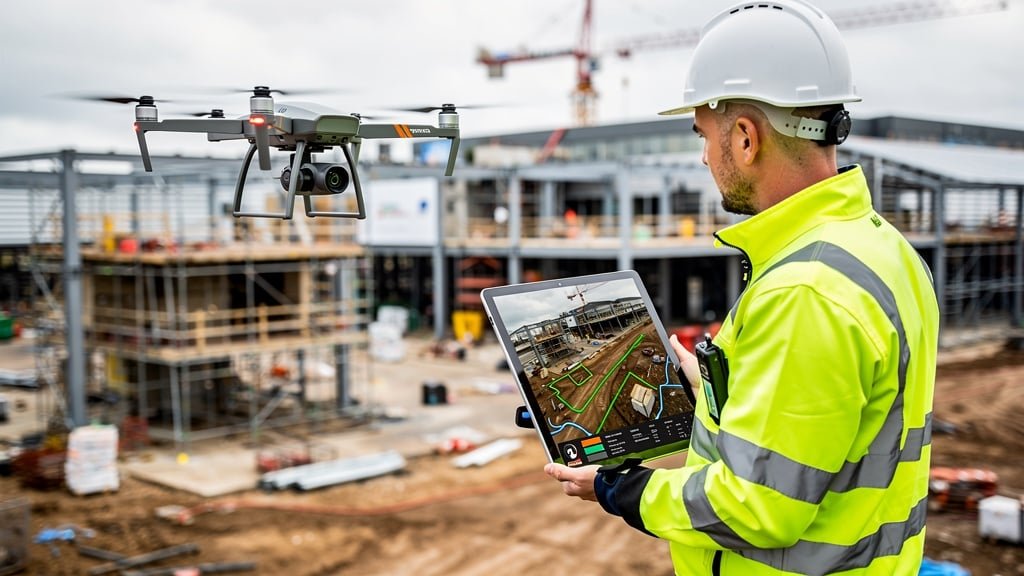
One of the most significant technological advances in commercial property valuation has been the integration of drone technology. Commercial Valuation Surveyor teams now routinely deploy unmanned aerial vehicles to conduct comprehensive site inspections that would have been impossible or prohibitively expensive just a few years ago.
Drones equipped with high-resolution cameras and thermal imaging sensors provide chartered surveyors with unprecedented access to hard-to-reach areas. Large industrial warehouses with expansive roof systems, multi-story office buildings with complex facades, and retail parks with extensive boundaries can now be thoroughly inspected without expensive scaffolding or risky manual access.
Benefits of Drone-Assisted Valuations
The advantages of incorporating drone technology into commercial valuations are substantial:
- Enhanced Safety: Chartered surveyors avoid dangerous roof access and climbing tall structures
- Improved Efficiency: Multi-day inspections now completed in hours
- Permanent Records: High-resolution imagery provides lasting visual evidence
- Reduced Disruption: Flexible scheduling minimizes business impact
- Comprehensive Coverage: Complete property assessment without access limitations
For clients, drone-assisted valuations mean faster turnaround times without sacrificing thoroughness. RICS registered valuers can schedule inspections more flexibly and provide visual evidence supporting their professional opinions. In secured lending valuations where time-sensitive decisions are critical, this efficiency makes a substantial difference.
Artificial Intelligence and Machine Learning
Artificial intelligence represents another frontier in property valuation technology. While the professional judgment of RICS chartered surveyors remains central to any formal valuation, AI-powered tools are transforming how valuers analyze comparable evidence, identify market trends, and quality-assure their work.
Machine learning algorithms process vast databases of commercial property transactions, rental evidence, and market data far more quickly than manual research methods. These systems identify patterns helping Commercial Valuation Surveyor professionals spot emerging trends in specific property sectors or geographic markets.
Automated Valuation Models (AVMs)
Automated Valuation Models have become increasingly sophisticated, particularly for standardized property types in liquid markets. While AVMs cannot replace professional judgment required for complex commercial property valuation, they serve valuable supporting roles:
- Rapid Preliminary Assessment: Quick initial valuations for portfolio screening
- Comparable Identification: Efficient sourcing of relevant market evidence
- Quality Assurance: Flagging potential inconsistencies in valuation conclusions
- Supporting Analysis: Starting point for professional expert judgment
For RICS Red Book valuations, AVMs provide useful checks on human analysis. Significant differences between AVM estimates and surveyor opinions prompt additional investigation and documentation, ultimately strengthening valuation credibility and defensibility.

Geographic Information Systems (GIS)
Geographic Information Systems technology has transformed how commercial valuation surveyors analyze location factors and market dynamics. GIS platforms integrate multiple data layers including demographics, infrastructure, planning zones, environmental factors, and transportation networks.
A Commercial Valuation Surveyor assessing retail property can now instantly visualize catchment area demographics, analyze foot traffic patterns, assess nearby competition, and understand planned infrastructure projects impacting future value. This geographic analysis supports more accurate and defensible valuation opinions.
For portfolio valuations involving multiple properties across different regions, GIS technology enables systematic market analysis and consistent methodologies. Chartered surveyors identify geographic clusters of similar properties, analyze regional trends, and ensure valuations reflect local market conditions.
Building Information Modeling (BIM)
Building Information Modeling represents the future of how commercial property information is captured and utilized. While BIM has been primarily adopted in construction and facilities management, its applications for commercial property valuation are increasingly recognized by forward-thinking RICS professionals.
BIM models contain comprehensive information about building physical characteristics, systems, components, and performance metrics. For commercial valuation surveyors, access to detailed BIM data means more accurate assessments of property condition, remaining useful life of building systems, and potential obsolescence factors.
Enhanced Due Diligence
When BIM data is available, the due diligence phase becomes significantly more thorough. Chartered surveyors can review detailed specifications of mechanical and electrical systems, understand energy performance characteristics, and assess alignment with current occupier requirements and ESG considerations.
This enhanced information supports more nuanced valuation opinions accounting for quality differences between otherwise similar properties. Two office buildings of similar size and location might warrant different valuations if one features modern, efficient systems documented in BIM data while the other relies on aging infrastructure nearing replacement.
Big Data and Market Analytics
The explosion of available data about commercial property markets has transformed valuation research methodologies. Commercial Valuation Surveyor teams now access comprehensive databases tracking transaction evidence, rental values, yield trends, tenant movements, and market sentiment across all major UK commercial property sectors.
This big data approach enables more statistically robust analysis than was possible when valuers relied on limited comparable evidence. RICS chartered surveyors can now quantify market trends with greater precision, identify outlier transactions, and provide clients with data-driven insights supporting valuation conclusions.
Real-Time Market Intelligence
Traditional commercial property valuation often relied on transaction evidence months or years old. Modern data platforms provide near real-time market intelligence, enabling valuers to incorporate latest market trends into analysis.
For secured lending valuations supporting time-sensitive financing decisions, access to current market data is particularly valuable. Lenders need confidence that valuation opinions reflect current conditions rather than outdated assumptions. Technology-enabled market intelligence helps RICS registered valuers provide this assurance.
Virtual and Augmented Reality
Virtual reality and augmented reality technologies are beginning to influence commercial property valuation, particularly for properties under development or renovation. These tools enable chartered surveyors and clients to visualize how proposed improvements might impact property value, facilitating more informed decision-making.
For development appraisals and refurbishment valuations, VR technology allows Commercial Valuation Surveyor professionals to assess proposed schemes more thoroughly than traditional architectural drawings permit. This visualization capability supports more accurate residual valuations and development feasibility analysis.
Cloud-Based Collaboration and Reporting
Cloud computing has revolutionized how valuation teams collaborate and deliver services to clients. Modern valuation projects often involve multiple professionals working across different locations, all contributing to comprehensive valuation reports.
Cloud-based platforms enable seamless collaboration between RICS chartered surveyors, junior analysts, technical specialists, and administrative support staff. Draft reports can be reviewed and refined in real-time, comparable evidence shared instantaneously, and quality assurance processes systematically documented.
Client Portal Technology
Progressive valuation firms now offer client portals providing secure access to valuation reports, supporting documentation, and market analysis. Clients can track valuation progress, communicate questions to their chartered surveyor, and access historical valuation records for portfolio properties.
This transparency and accessibility enhance client relationships and demonstrate thoroughness of professional valuation services. For regular clients requiring ongoing valuation services for property portfolios, portal technology streamlines communication and ensures continuity of service.
Maintaining Professional Standards
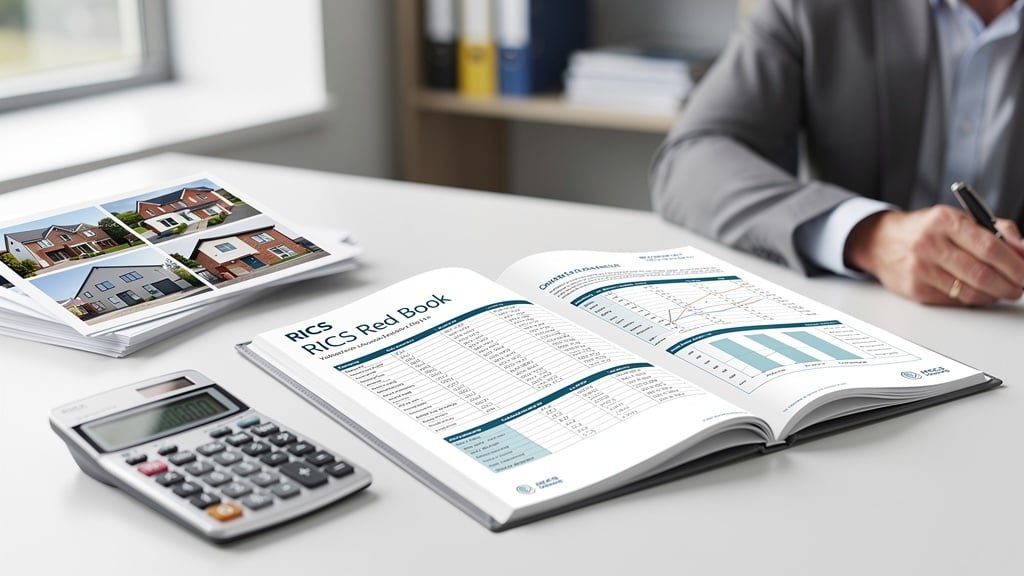
As technology transforms commercial property valuation, RICS professional standards ensure innovation enhances rather than compromises valuation quality. The RICS Red Book provides clear guidance on appropriate use of technology in the valuation process, emphasizing that professional judgment remains paramount.
Commercial Valuation Surveyor professionals must understand both capabilities and limitations of technological tools. Algorithms and automated systems support human expertise rather than replacing it. The most effective modern valuations combine cutting-edge technology with professional judgment that only experienced RICS chartered surveyors provide.
Continuing Professional Development
Staying current with technological developments is now an essential component of continuing professional development for chartered surveyors. RICS registered valuers must continuously update their skills, understanding both how to use new technologies effectively and how to explain technology-assisted methodologies to clients and stakeholders.
Leading valuation firms invest heavily in technology training, ensuring their chartered surveyors can leverage latest tools while maintaining professional standards that underpin credible, defensible commercial property valuations.
The Future of Technology in Valuation
Looking ahead, technology will continue reshaping commercial property valuation in ways we can only begin to anticipate. Artificial intelligence will become more sophisticated, big data analytics will grow more comprehensive, and new tools we haven't yet imagined will emerge to support the work of RICS chartered surveyors.
What won't change is the fundamental requirement for professional judgment, local market knowledge, and ethical practice that define excellent commercial valuation services. Technology amplifies these human capabilities, enabling Commercial Valuation Surveyor professionals to serve clients more effectively while maintaining rigorous standards that make RICS valuations trusted by lenders, investors, and property owners throughout the United Kingdom.
The commercial valuation surveyors who thrive in this technology-driven future will be those who embrace innovation while remaining grounded in professional fundamentals. By combining cutting-edge tools with traditional expertise, today's RICS chartered surveyors are building tomorrow's valuation profession. Discover our complete range of technology-enhanced commercial valuation services.
Need Technology-Enhanced Valuations?
Our RICS chartered surveyors combine cutting-edge technology with professional expertise to deliver accurate, defendable valuations for all types of commercial property.
Request Free Quote